The Pokemon Card Financial Death Spiral Is Beautiful
Look, we've all been there. You're scrolling through Reddit at 2 AM, hypnotized by the cardboard crack pipeline, and suddenly you're $3,000 deep into a "investment grade" Pokemon TCG obsession that's going to fund your retirement. Spoiler: it won't.
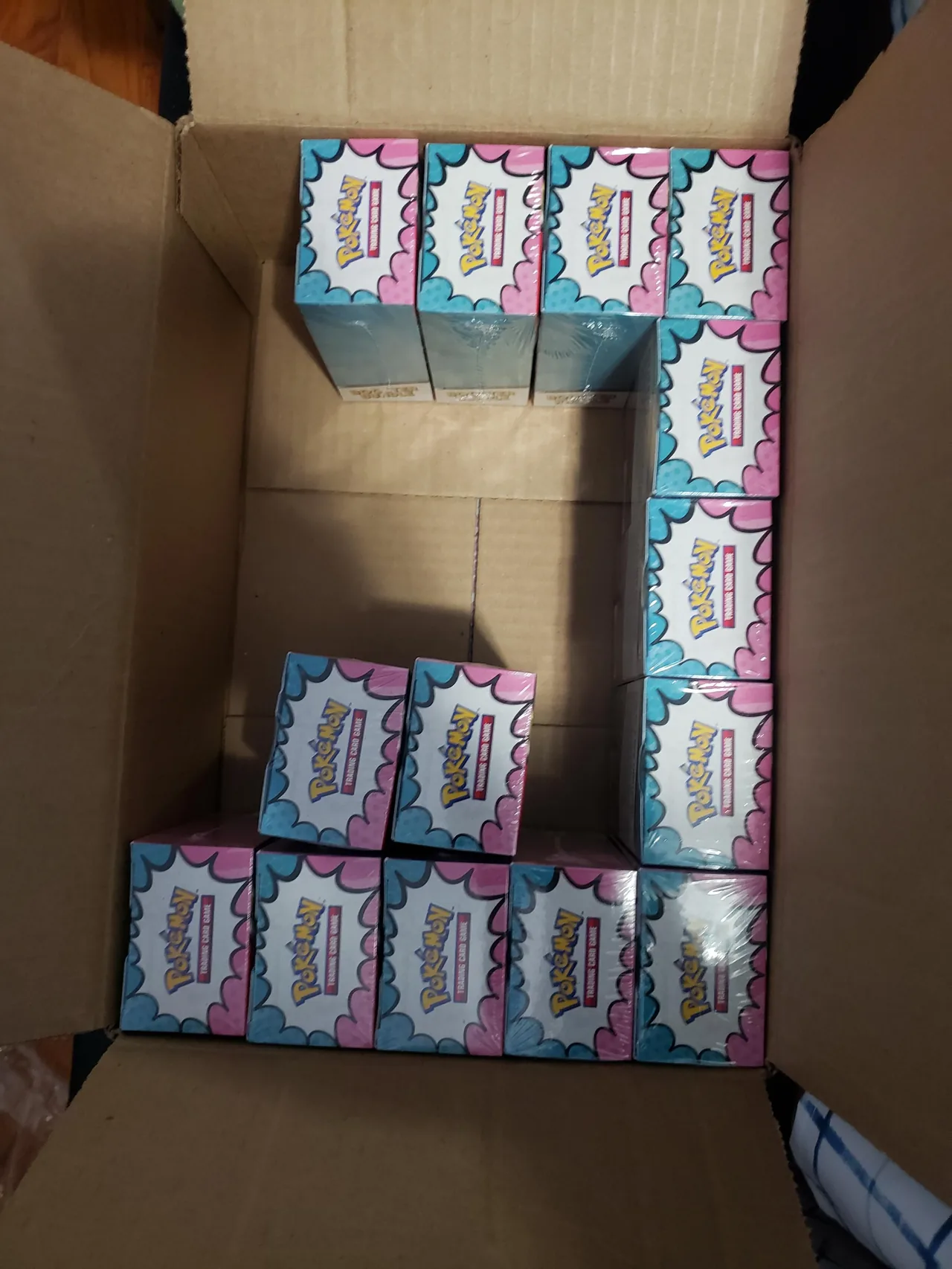
A post currently incinerating r/PokemonTCG titled "Halfway into the absolute worst financial decision I've ever made here are the results" is the most honest thing you'll read on the internet this week. No filter. No influencer shill. Just raw, uncut hopium withdrawal.
Let's contextualise this catastrophe. Pokemon TCG has been running a masterclass in artificial scarcity since 1996, but the modern era of speculation hysteria kicked into overdrive around 2020-2021. You remember — Logan Paul was wearing graded Charizards like jewellery, PSA 10 Gem Mint copies of the 1999 Base Set Charizard holographic were hitting $400,000 at Goldin Auctions, and every finance bro with a Robinhood account suddenly became a "card investor."
The market went absolutely nuclear. Then it corrected. Hard.
Here's what the Reddit doompost illuminates: the reality of buying in after the peak. The Pokemon Company International (TPCi) has been flooding the market with product since 2023. Obsidian Flames? Overprinted. Paldean Fates? Pegwarming at every Target in America. The 151 special set — arguably the most hyped English-language release since Base Set — saw reprint after reprint until the value of a PSA 10 Mewtwo EX dropped from around $180 to under $60 within months.
TPCi shipped over 5.4 billion Pokemon cards in fiscal year 2023 alone. Billion. With a B. That's not collectibility — that's industrial-scale cardboard production designed to extract every last dollar from FOMO-brained consumers.
And yet people keep buying. The psychology is identical to every other hype-driven mania we cover here at hype404 — whether it's Pop Mart's Labubu figures selling for 10x retail on the secondary market, or Stanley cup resellers getting stuck with 47 quenches nobody wants. The mechanism is always the same: scarcity illusion → social media amplification → panic buying → market saturation → bag holding.
The Pokemon card version just has more nostalgic wrapping paper.
What makes the Reddit post particularly visceral is the brutal transparency. We don't know the exact card or product at the center of this financial disaster — the gallery has been viewed millions of times — but the comments tell the story. Hundreds of collectors sharing their own L's. People who bought "investment slabs" of sealed booster boxes at $250-400 that are now selling for below retail. Graded card submissions that cost more in fees than the cards are worth. The $40-per-card PSA grading fees alone are a racket that makes Stripe's payment processing look charitable.
And here's where it connects to the broader hype economy: the same dopamine circuitry that makes you ape into a memecoin at 3 AM or pre-order a $700 augmented reality headset you'll use twice is what makes you convinced that your Celebrations UPC (Ultimate Pokémon Center) box is going to fund a house deposit. It won't. The UPC retailed at $599.99 in October 2023, sold out in minutes, and now? Sealed copies sit on eBay at $450 with zero bids. That's a -25% "investment return" in under a year. Dogecoin holders are laughing at you.
The smart money — if such a thing exists in children's trading cards — left in 2021. The people making real money now are the breakers, the YouTubers getting free product to open on camera, and The Pokemon Company itself, which reported ¥297.5 billion ($2.2 billion) in TCG revenue for fiscal year 2023. Every pack ripped is a lottery ticket where the house always wins.
There's something almost poetic about watching the speculation cycle play out in real time across the Pokemon TCG subreddit. You can track the phases: genuine enthusiasm, institutional interest, hype media coverage, TikTok tutorials on "investing," pump-and-dump Discord groups, and finally — the long, slow bleed of desperate bag holders trying to convince each other that "prices will recover." They won't. Not for 99% of what's being printed right now.
The original holographic Charizard is valuable because almost every kid who owned one in 1999 either played with it, traded it for a Snickers bar, or let their mum throw it away. Surviving copies in PSA 10 condition number fewer than 4,000. By contrast, modern "rare" cards are printed in the millions, immediately slabbed by grading companies, and stored in climate-controlled safes by people who've never played a single game. Scarcity is manufactured, not organic.
So here's the takeaway from the Reddit reckoning: Pokemon cards are for playing, collecting, and enjoying — not for "investing." If you want to gamble, buy Bitcoin. At least the blockchain doesn't ship 5.4 billion new units per year. If you want nostalgia, buy a single pack and enjoy the dopamine hit of the rip. But if you're six months deep into "the worst financial decision you've ever made" and praying that your sealed Prismatic Evolutions ETF will somehow appreciate — welcome to the hype cycle, enjoy your stay, and please exit through the gift shop.
The cardboard casino is always open. The house always wins. And The Pokemon Company is laughing all the way to the bank.